Online School vs Traditional School: Which Is Right for Your Child?
Compare online school vs traditional school across academics, flexibility, social development, support, and costs to choose the right option for your child.
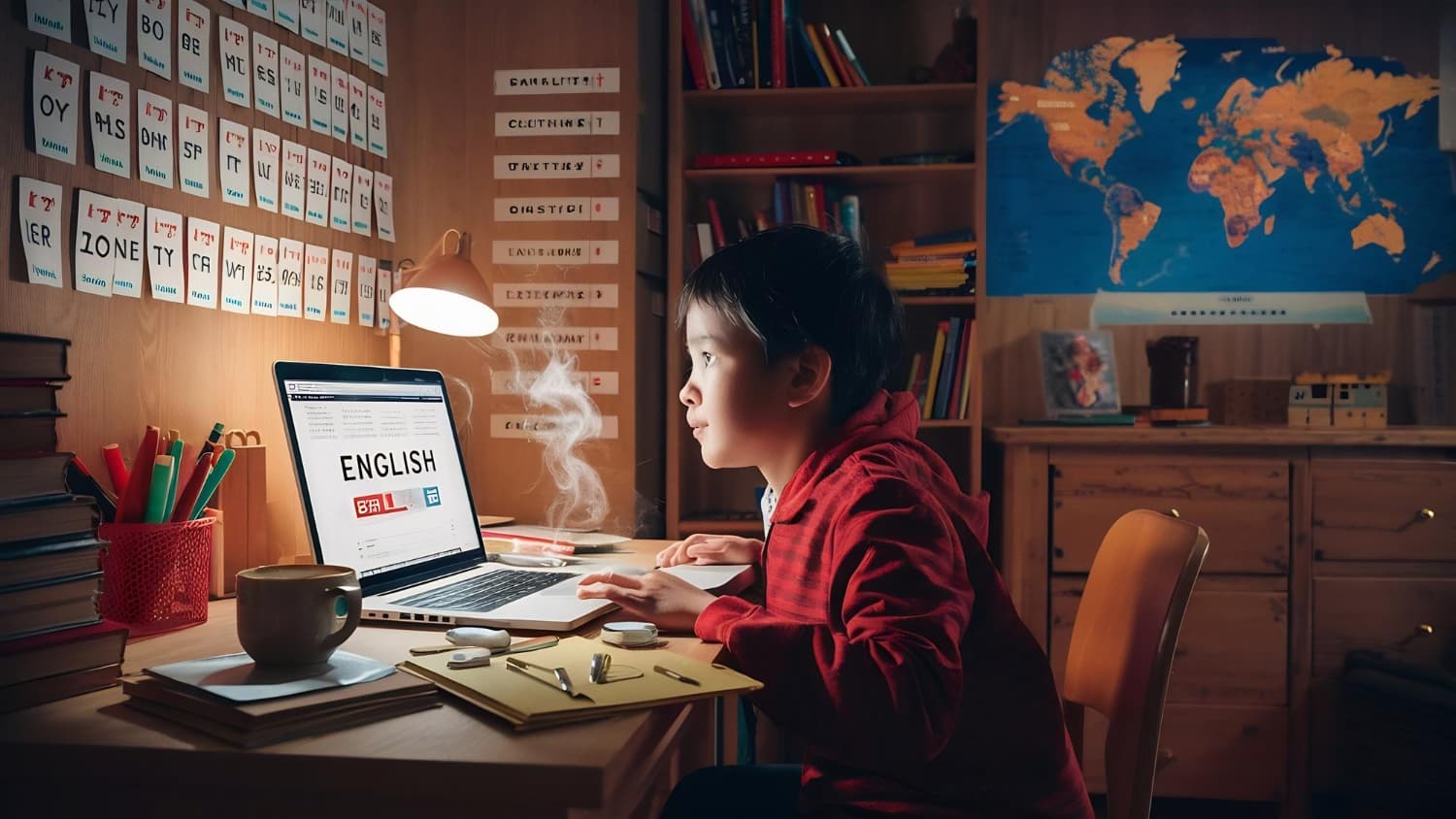
Choosing between online school vs traditional school is not simply a decision between learning on a screen and attending a physical classroom. Parents need to compare teaching quality, academic structure, flexibility, social development, curriculum recognition, student support, and how well each environment suits their child.
Traditional school may suit children who benefit from a fixed routine, daily face-to-face interaction, and access to on-campus activities. Online learning may be more appropriate for students who need greater scheduling flexibility, personalized instruction, fewer distractions, or the ability to learn from anywhere.
Neither option is automatically better. The right choice depends on the child, the quality of the programme, and the family’s ability to support the learning model.
Online School vs Traditional School: Quick Comparison
Factor | Online school | Traditional school |
|---|---|---|
Learning location | Home or another suitable location | Physical school campus |
Schedule | Often flexible or partially flexible | Usually fixed |
Teaching format | Live virtual classes, recorded content, or both | In-person classroom instruction |
Learning pace | May allow greater personalization | Often follows the pace of the class |
Social interaction | Must be intentionally planned | Built into the school day |
Parent involvement | Often higher | Usually lower during school hours |
Commute | Not required | Usually required |
Extracurricular activities | Varies by provider and family arrangements | Often available on campus |
Technology needs | Reliable device and internet required | Usually fewer home technology requirements |
Student independence | Requires self-management and accountability | More direct day-to-day supervision |
This comparison is general. Some online programmes are highly structured, while some traditional schools offer flexible, personalized learning. Parents should evaluate the specific provider rather than making a decision based only on the learning format.
What Is Online School?
Online school delivers teaching through digital platforms rather than a physical classroom. Depending on the programme, students may attend live classes, complete independent assignments, access recorded lessons, participate in group discussions, and receive individual academic support.
Online learning models may include:
Full-time virtual education
Live small-group learning
One-to-one subject support
Curriculum-specific exam preparation
Homeschool academic partnerships
Hybrid learning combining online and in-person activities
Supplemental support alongside a traditional school
The quality of online education depends on much more than the platform. Research on K–12 online teaching identifies educator preparation, technology access, student development, autonomy, and self-regulated learning skills as important conditions for successful online learning.
Parents comparing providers can use this guide on how to choose the best online school for your child to assess curriculum, teachers, student support, reporting, and learning structure.
What Is Traditional School?
Traditional school generally refers to education delivered in a physical classroom on a fixed weekly schedule. Students learn alongside classmates, follow a school timetable, and receive direct supervision from teachers and other staff.
Traditional schools commonly provide:
Face-to-face lessons
A set daily routine
Regular peer interaction
On-campus sports and activities
Access to school facilities
In-person pastoral support
School-led assessments
A broader physical community
The traditional model may work particularly well for students who need a predictable environment, frequent adult supervision, or regular in-person interaction throughout the day.
However, the quality of traditional schools also varies. Class size, teacher expertise, academic support, school culture, curriculum, and available resources can all affect the student experience.
Is Online School Better Than Traditional School?
The question “Is online school better?” does not have one answer for every child.
Online school may be better when a student:
Needs flexibility because of travel, sport, health, or family commitments
Learns better in a quieter environment
Needs more individual attention
Is working above or below the expected grade level
Experiences significant distractions in large classrooms
Needs access to a curriculum unavailable locally
Benefits from a personalized learning pace
Can manage time with appropriate support
Traditional school may be better when a student:
Needs close supervision throughout the day
Learns best through physical classroom interaction
Values daily access to peers
Participates heavily in school-based activities
Struggles with independent work
Does not have reliable technology or internet
Benefits from a highly predictable routine
Has support needs that are better met in person
Parents should compare the child’s needs with the actual strengths and limitations of each option rather than assuming one format is universally superior.
Pros and Cons of Online School
Benefits of Online School
Greater Flexibility
One of the main advantages of online learning is flexibility. Students may be able to organize learning around family travel, athletic training, creative interests, medical appointments, or different time zones.
Flexibility does not mean the absence of structure. Strong programmes still provide timetables, attendance expectations, assessments, deadlines, and progress monitoring.
Schola Global offers several structured online learning programmes, including core learning, individual curriculum support, and exam preparation. Its programmes combine live teaching with progress tracking rather than relying only on self-paced materials.
More Personalized Learning
A well-designed online programme may make it easier to:
Identify specific learning gaps
Adjust the pace of instruction
Provide additional practice
Offer extension work
Match students with subject specialists
Track progress at skill level
Adapt teaching to individual goals
Personalization is especially valuable when a child has moved ahead in one subject but needs more support in another.
Access From Different Locations
Online learning can give families access to teachers and curricula that may not be available locally. This may benefit expatriate families, frequent travelers, internationally mobile students, and families living far from suitable schools.
Reduced Commuting
Removing the daily commute may create more time for:
Sleep
Exercise
Family activities
Creative interests
Independent study
Sports
Community involvement
However, parents must ensure that the saved time is used productively rather than becoming unstructured screen time.
Fewer Classroom Distractions
Some children concentrate better away from noisy classrooms, peer pressure, or frequent interruptions.
A quieter environment may support deeper work, although the home must still provide a suitable workspace with limited distractions.
Limitations of Online School
Social Development Requires Planning
Online students do not automatically receive the same amount of daily in-person interaction as children attending a physical school.
Families may need to arrange:
Sports teams
Clubs
Community activities
Volunteering
Study groups
Family gatherings
Local classes
Regular time with friends
Social development includes communication, cooperation, conflict resolution, emotional awareness, and relationship building. UNESCO emphasizes that social and emotional learning contributes to student well-being, relationships, and academic development, regardless of the learning model.
Greater Need for Self-Management
Online learning often requires students to manage:
Attendance
Deadlines
Devices
Study time
Assignment submission
Communication with teachers
Independent practice
Younger students may need substantial parent involvement until these skills develop.
Technology Dependence
Students need:
A reliable computer or tablet
Stable internet
A suitable learning platform
Basic digital skills
Technical support
A backup plan for outages
Access to technology alone does not guarantee stronger academic outcomes. Effective teaching, curriculum design, feedback, and student support remain essential.
Possible Screen Fatigue
Too many consecutive online sessions can affect concentration and comfort.
A responsible schedule should include:
Short breaks
Offline assignments
Physical activity
Reading away from screens
Hands-on projects
Healthy device habits
Pros and Cons of Traditional School
Benefits of Traditional School
Built-In Daily Routine
Traditional schools create a clear separation between home and education. The fixed timetable may help students who struggle to organize their own day.
Regular Face-to-Face Interaction
Students usually interact with classmates, teachers, coaches, and school staff throughout the week.
This can provide frequent opportunities for teamwork, communication, and friendship.
Access to Physical Facilities
Depending on the school, students may use:
Science laboratories
Libraries
Sports facilities
Art rooms
Music rooms
Workshops
Technology labs
These resources may be difficult for families to reproduce at home.
On-Site Activities
Clubs, assemblies, sports, performances, and school events can contribute to a sense of community and belonging.
Limitations of Traditional School
Less Scheduling Flexibility
Attendance times, holidays, lesson periods, and assessment schedules are generally fixed.
This can be difficult for families who travel, relocate frequently, or manage professional sports and other intensive commitments.
One Classroom Pace
In many classrooms, teachers must move through the curriculum according to the needs of the wider group.
Students who need more time may develop gaps, while students who understand quickly may not receive enough challenge.
Larger Classes
Large classes can reduce the amount of individual feedback each student receives. This does not mean that large-class teaching is ineffective, but students with specific gaps may need support outside normal lesson time.
Commute and Time Pressure
Travel, long school days, homework, and extracurricular commitments can leave limited time for sleep, family, or personal interests.
Comparing Online and Traditional Education for Academic Outcomes
The learning format alone does not determine academic outcomes.
Results are influenced by:
Teacher expertise
Curriculum quality
Student engagement
Class size
Feedback
Assessment
Parent support
Learning environment
Technology access
Student independence
Intervention when difficulties appear
A weak online programme does not become effective simply because it is flexible. Similarly, attending a physical school does not guarantee that every learning gap will be identified.
Parents should look for a programme that:
Defines clear learning objectives
Uses qualified teachers
Measures student understanding
Provides regular feedback
Identifies gaps early
Offers support when a student struggles
Challenges students who are ready to progress
Reports meaningful progress to parents
A mastery-based model may help address the limitations of moving through content according to time alone. This guide explains what mastery-based learning is and how progression can be tied to demonstrated understanding rather than simply completing a term.
How Online and Traditional Schools Support Social Development
Traditional school offers more frequent built-in peer contact, but being surrounded by other students does not automatically guarantee healthy social development.
The quality of interaction matters.
Online students can also develop strong social skills when families intentionally provide varied opportunities for:
Collaborative learning
Group discussions
Team sports
Community events
Clubs
Volunteering
Travel
Mixed-age interaction
Local friendships
Online education may even give some students more freedom to build relationships around shared interests rather than only age or classroom placement.
Parents should ask an online provider:
Are lessons live or prerecorded?
Do students participate in discussions?
Are there group activities?
How are communication skills developed?
How much independent work is required?
What social opportunities must families arrange separately?
Which Learning Model Offers More Flexibility?
Online education usually offers more location and scheduling flexibility, but the degree varies.
Some programmes require students to attend every class at a fixed time. Others combine live sessions with flexible independent work.
Traditional schools generally provide less scheduling freedom but more consistency. This can be valuable for children who feel secure within a stable daily routine.
Families should consider whether they need:
Flexible lesson times
Freedom to travel
Reduced commuting
Compatibility with sports or creative training
Learning across time zones
A shorter academic day
A fixed and predictable schedule
Schola Global’s Homeschool Partner Programme provides live core-subject teaching and mastery tracking while leaving families greater control over the remainder of the day. The programme uses diagnostic assessment, personalized pathways, and twice-monthly progress reporting.
Which Option Provides Better Individual Support?
Individual support depends on class size, teacher availability, assessment quality, and the provider’s intervention model.
Ask both online and traditional schools:
How are learning gaps identified?
What happens when a student falls behind?
Are individual sessions available?
How frequently is progress measured?
How are parents informed?
What support is available before examinations?
How are advanced learners challenged?
For students aged 11–14, the Core Mastery Programme uses small live groups and a seven-stage cycle of teaching, engagement, practice, tracking, diagnosis, intervention, and extension. It covers Mathematics, Science, and English with twice-monthly reporting.
Comparing International Curriculum Options
Curriculum recognition is particularly important for internationally mobile families and students preparing for university.
Before enrolling, confirm:
Which curriculum is taught
Whether the programme teaches a full curriculum or provides learning support
How assessments are managed
Which examination board is followed
Whether qualifications are externally recognized
How students register for examinations
What progression pathways are available
Whether the programme supports university entry
Schola Global supports multiple international curriculum pathways, including Core Mastery, Cambridge IGCSE, Cambridge A-Level, IB Diploma, Australian Curriculum, and homeschool academic support.
Older students requiring curriculum-aligned assistance can also explore Cambridge IGCSE learning support, which uses diagnostic review, concept-focused instruction, guided practice, past papers, and mark-scheme analysis.
How to Decide Which Model Is Right for Your Child
Review Your Child’s Learning Style
Consider whether your child:
Works independently
Needs frequent reminders
Participates comfortably online
Learns better through discussion
Becomes distracted in groups
Needs hands-on instruction
Responds well to a fixed routine
Requires greater academic challenge
Consider Emotional and Social Needs
Ask:
Does your child feel comfortable in their current school?
Do they have meaningful friendships?
Are they affected by bullying or social pressure?
Would learning from home feel calming or isolating?
Which regular in-person activities would remain available?
Evaluate the Family’s Capacity
Online learning may require parents to:
Monitor routines
Provide a suitable workspace
Support time management
Arrange social activities
Maintain technology
Communicate with teachers
The required level of involvement depends on the child’s age and programme structure.
Compare the Actual Programmes
Do not compare an excellent traditional school with a poor online platform—or the reverse.
Compare:
Teacher qualifications
Class size
Curriculum
Live instruction
Academic tracking
Feedback
Student support
Parent reporting
Social opportunities
Fees
Admissions process
Examination arrangements
Reviewing online learning programme pricing can help families compare costs and included support before making a decision.
Frequently Asked Questions
Is online school better than traditional school?
Online school may be better for children who need flexibility, personalized pacing, curriculum access, or fewer classroom distractions. Traditional school may be better for children who benefit from daily in-person interaction, close supervision, and campus activities. The quality and suitability of the specific programme matter more than the format alone.
What are the main pros and cons of online school?
The main advantages include flexibility, location independence, possible personalization, and reduced commuting. Potential limitations include technology dependence, a greater need for self-management, screen fatigue, and the need to plan in-person social opportunities.
How do academic outcomes compare in online and traditional education?
Academic outcomes vary widely in both models. Teacher quality, curriculum, feedback, engagement, student support, and family involvement are often more important than whether lessons occur online or in a physical classroom.
Can online school support healthy social development?
Yes, but social development must be intentional. Live group lessons can support communication and collaboration, while sports, clubs, community activities, volunteering, and regular friendships provide essential in-person interaction.
How can parents decide between online school vs traditional school?
Consider the child’s learning style, independence, emotional well-being, academic needs, curriculum, social opportunities, and the family’s ability to support learning at home. Compare actual providers and consider an academic assessment before deciding.
Conclusion
The online school vs traditional school decision should be based on your child’s needs rather than assumptions about either model.
Online learning can offer flexibility, personalized support, and access to international curricula. Traditional school can provide a fixed routine, built-in peer interaction, and access to physical facilities and activities.
Strong academic outcomes can occur in either environment when students receive expert teaching, clear structure, regular feedback, appropriate challenge, and timely support. The best choice is the one that helps your child learn confidently while supporting their academic, emotional, and social development.
Find the Right Learning Path for Your Child
Unsure whether online learning, traditional school, or a combined approach would better support your child?
Book a free learning consultation with Schola Global to discuss your child’s current level, curriculum, learning needs, and long-term goals. The team can help you identify an appropriate pathway without relying on guesswork.